Revenue Cycle Bottlenecks That Hurt Cash Flow
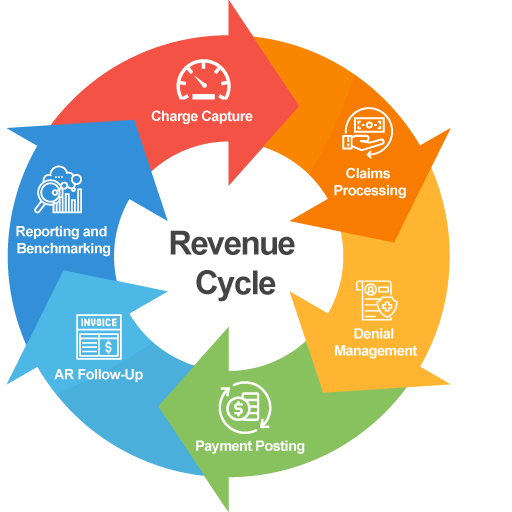
Revenue Cycle Bottlenecks That Hurt Cash Flow In today’s fast-changing healthcare environment, healthcare organizations face growing challenges in keeping their healthcare revenue cycle efficient. When revenue cycle bottlenecks occur, they create delayed payments, lost revenue, and declining patient satisfaction. Over time, these issues harm both financial health and the overall patient experience. The reality is clear: even one weak link in the revenue cycle management process can ripple across the system, hurting cash flow and delaying collections. Identifying and addressing these issues is critical to keeping your practice or hospital financially strong. Common Revenue Cycle Bottlenecks 1. Insurance Verification Errors Without proper insurance verification, claims can lead to claim denials and delayed payments. Patients who are not informed of their financial responsibility often face unexpected medical bills, causing frustration and damaging trust. Meanwhile, providers face lost revenue and reduced margins. As Enter Health explains, using real time eligibility checks helps avoid these costly issues and ensures claims are cleaner from the start. 2. Inefficient Billing Codes and Documentation Incorrect or outdated billing codes are one of the leading causes of denials. Errors in documentation not only cause rework but also delay collections, directly impacting cash flow. Automation and software solutions like Zanda Health can streamline the coding process, improve accuracy, and reduce denials significantly. 3. Poor Patient Payment Processes A weak patient payment workflow is another major bottleneck. When payment options are unclear or inconvenient, the result is slow collections, lower patient satisfaction, and higher risk of lost revenue. To improve the patient experience, healthcare organizations should provide digital payment portals, flexible installment plans, and clear communication about financial responsibility. Modern banking platforms such as Chello Bank can help streamline collections and improve transparency. 4. Lack of Real-Time Data & Monitoring Without real time visibility into claims, collections, and denials, teams struggle to identify problems before they escalate. A lack of reporting and analytics means revenue cycle bottlenecks go unnoticed until they have already hurt cash flow. By investing in software solutions that track KPIs, organizations can spot denial patterns, predict delayed payments, and make smarter adjustments. As Glarity highlights, data-driven decision-making is essential for sustainable financial operations. 5. Compliance & Regulation Challenges Healthcare is heavily regulated, and failing to maintain compliance introduces serious risks. Regulatory lapses can trigger fines, audits, and even legal penalties — all of which translate into lost revenue and instability. According to Umalis, proactive compliance management reduces these risks and ensures that healthcare organizations protect both their reputation and their financial health. How Bottlenecks Affect Patients Revenue cycle inefficiencies don’t just harm providers. They directly impact patients through confusing medical bills, surprise charges, and poor communication about financial responsibility. These issues often result in lower patient satisfaction, a weakened patient experience, and even loss of trust in the provider. On the flip side, improving patient engagement, offering upfront cost estimates, and making patient payment options simple can transform patient relationships while supporting stronger cash flow. Fixing Revenue Cycle Bottlenecks with Software Solutions The good news is that these bottlenecks can be resolved. Adopting modern software solutions for revenue cycle management empowers providers to: As Obiaks points out, technology-driven processes allow providers to operate more efficiently while safeguarding long-term financial health. Explore More