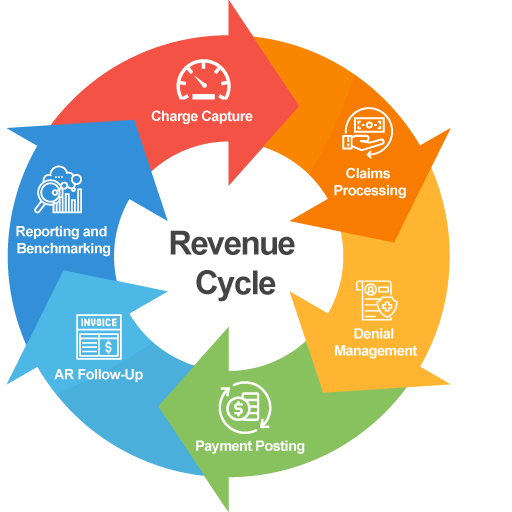
The Complete Guide to RCM Audits in 2025: Best Practices for Compliance RCM audits 2025 are essential for every healthcare organization looking to stay compliant, protect revenue, and improve financial performance. RCM audits 2025 are essential for every healthcare organization looking to stay compliant, protect revenue, and improve financial performance. With evolving regulations, new ICD-11 coding standards, and stricter enforcement of the No Surprises Act, conducting thorough revenue cycle audits has never been more critical. Small business tax planning 2025 is also about preparation, but in healthcare, RCM audits serve as the financial compass guiding compliance, efficiency, and revenue growth. The stakes have risen significantly for 2025. With enhanced enforcement of the No Surprises Act, the transition to ICD-11 coding standards, and stricter scrutiny of Medicare and Medicaid compliance programs, healthcare administrators can no longer treat audits as optional exercises. They’re essential safeguards that protect your organization’s financial performance and reputation. This comprehensive guide will equip you with the knowledge and tools needed to conduct thorough RCM audits, implement best practices for compliance, and leverage technology to streamline your processes. Whether you’re a seasoned compliance officer or new to revenue cycle management, you’ll discover actionable strategies that can immediately improve your audit outcomes. What is an RCM Audit? An RCM audit is a systematic examination of your organization’s revenue cycle processes, from patient registration through final payment collection. These comprehensive reviews evaluate compliance with regulatory requirements, assess financial performance, and identify opportunities for process improvement. RCM audits come in two primary forms. Internal audits are conducted by your organization’s staff or dedicated compliance teams, offering regular monitoring and immediate feedback. External audits involve third-party specialists who provide objective assessments and industry benchmarking insights. Many successful health systems combine both approaches, using internal audits for ongoing monitoring and external audits for comprehensive annual reviews. The scope of an RCM audit extends far beyond basic billing verification. Modern audits examine patient access procedures, coding accuracy, claims submission processes, denial management, payment posting, and compliance with privacy regulations. This holistic approach ensures no critical areas are overlooked in your revenue cycle operations. Why are RCM Audits Critical in 2025? The regulatory landscape continues to evolve rapidly, making compliance more challenging than ever. The No Surprises Act now faces increased enforcement, requiring healthcare providers to maintain strict billing transparency standards. Violations can result in significant financial penalties and damage to patient relationships. ICD-11 coding standards represent another major shift requiring immediate attention. Organizations must invest in comprehensive staff training and system updates to ensure accurate coding transitions. Failure to adapt quickly can lead to claim denials, delayed payments, and compliance violations. Financial benefits of regular audits are substantial and measurable. A hospital system recently reduced coding errors by 30% after implementing comprehensive audit recommendations, directly improving their clean claim rate. Another clinic identified $200,000 in revenue leakage through systematic billing process evaluation, demonstrating how audits can uncover hidden revenue opportunities. Patient satisfaction improvements often follow successful audit implementations. When healthcare providers enhance billing transparency and streamline payment processes, patients report higher satisfaction scores and improved overall experience ratings. Key Areas Your RCM Audit Must Address Patient Access and Registration forms the foundation of successful revenue cycle management. Audit teams must verify accuracy of patient demographics, insurance details, and consent forms while ensuring compliance with patient identification protocols. Errors at this stage cascade throughout the entire revenue cycle. Coding and Documentation requires meticulous attention to detail. Assess coding accuracy, adherence to current coding guidelines, and completeness of medical records. A multi-specialty group recently streamlined their documentation practices following audit recommendations, saving $50,000 annually in administrative costs. Charge Capture and Billing validation ensures every service provided generates appropriate revenue. Monitor charge accuracy, billing timeliness, and compliance with payer-specific rules. This area frequently reveals significant revenue recovery opportunities. Claims Submission and Follow-Up processes directly impact cash flow. Evaluate submission procedures, denial rates, and follow-up activities to identify bottlenecks and inefficiencies. Timely resolution of denied claims can dramatically improve financial performance. Compliance and Regulatory Adherence protects your organization from costly violations. Assess compliance with HIPAA, the No Surprises Act, and other applicable regulations while validating data privacy and security measures. Best Practices for RCM Audits in 2025 Establish a regular audit schedule that includes quarterly internal reviews and comprehensive annual assessments. Regular intervals help catch issues early, preventing small problems from escalating into major compliance violations or revenue losses. Engage qualified auditors with current healthcare industry knowledge and certification in relevant coding standards. External auditors bring objectivity and industry benchmarking insights that internal teams may miss. Leverage data analytics tools to identify trends, anomalies, and risk areas before they impact your bottom line. Modern analytics platforms can automatically flag unusual patterns in billing, coding, or payment processing that warrant investigation. Implement robust corrective action plans that address root causes rather than symptoms. A practice recently avoided No Surprises Act penalties by proactively addressing compliance gaps identified during their audit process. Invest in ongoing training and education for all revenue cycle staff. Regular training sessions on coding updates, regulatory changes, and billing best practices ensure your team stays current with industry standards. Preparing for Your RCM Audit Assemble necessary documentation well in advance of your audit date. This includes patient records, billing statements, payer contracts, policy manuals, and compliance documentation. Organized preparation significantly improves audit efficiency and outcomes. Conduct pre-audit assessments to identify obvious issues and areas of concern. This proactive approach allows you to address simple problems before external auditors arrive, focusing their attention on more complex operational challenges. Communicate clearly with all staff members about the audit process, timeline, and expectations. Well-informed teams provide better support during audits and demonstrate your organization’s commitment to compliance. Leveraging Technology for Enhanced Audit Effectiveness Modern RCM audits benefit tremendously from advanced technology solutions. Data analytics software identifies trends and anomalies that human reviewers might miss, while coding audit tools ensure accuracy and compliance with current standards. Artificial intelligence and predictive analytics are transforming audit capabilities. These technologies can automatically